
The Animal Sightings to Expect in the Kruger National Park
The Kruger National Park is home to 150 mammal species, 507 bird species, and countless plants and trees, all spread out over the park’s 19 485 km².
The Kruger isn’t just a big park. It’s Africa’s most accessible wildlife sanctuary, where lions hunt at dawn and leopards rest in riverine trees by midday.
Many travellers assume animal sightings happen randomly.
And with this assumption in mind, they drive aimlessly, hope for luck, and spend 4 hours seeing absolutely nothing.
If you are self-driving, you might book your Kruger trip months ahead, spend R15 000 to R30 000 on the safari, and leave with zero lion photos and zero leopard memories.
Smart travellers plan for specific sightings.
They know which animals appear in southern Kruger versus northern Kruger. They understand the dry season (May–September) shows 40% more wildlife than the wet season. And they will often choose to book a guided safari, so that they can be sure that they arrive at waterholes at 5:30 AM, so they can watch elephants drinking and lions rest nearby.
The Animals of the Kruger National Park
The animals of the Kruger National Park include 7 key categories that travellers have a great chance of seeing, especially if they spend more than a handful of days in the park. These are the animals that you are bound to encounter during your trip:
The Big 5 (the animals everyone comes to see)
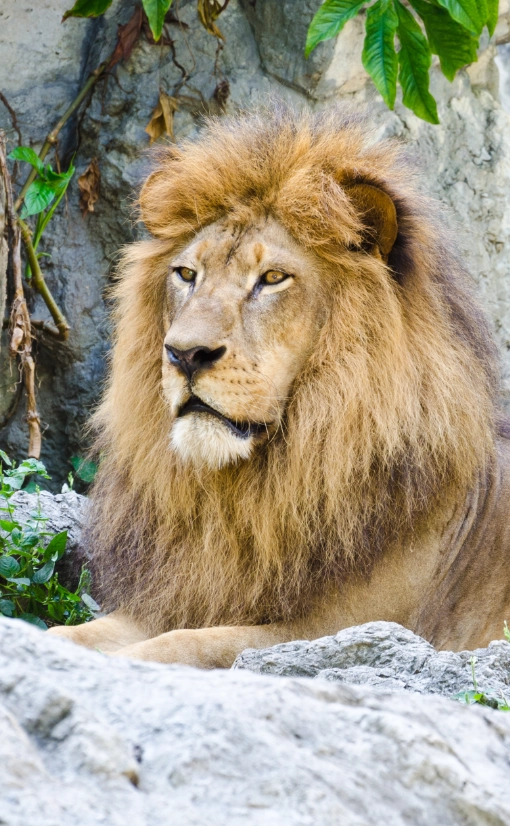
Lion
1 700 lions live in the Kruger, particularly in the southern Kruger (Sabie River area).
Leopard
1 000+ leopards live in the park and some can be seen resting in trees along Sabie and Crocodile rivers, and are most visible in the late afternoon.
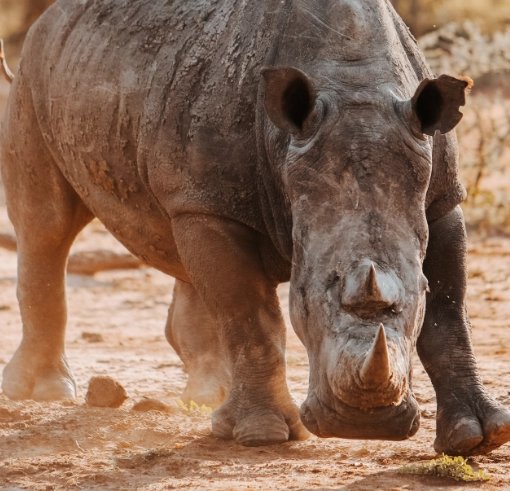
Rhino (black and white)
8 000+ rhinos live throughout the Kruger and frequent the areas around Letaba River rest camp especially during the dry season.
Elephant
The Kruger has as many as 31 000 elephants.
Buffalo
37 000 buffalo live in large herds in both the Southern and Northern Kruger.
Buffalo
37 000 buffalo live in large herds in both the Southern and Northern Kruger.
Other Big Game
Cheetah
250 or so who can mostly be seen on the open plains in southern Kruger, best at 6:00–8:00 AM.
Giraffe
1 200 throughout all regions, and who are visible anytime (they don’t hide).
Hippo
3 000 hippos. Crocodile and Sabie rivers, best seen between 10:00–14:00.
Crocodile
There are countless in the park, and they can be seen all year-round.
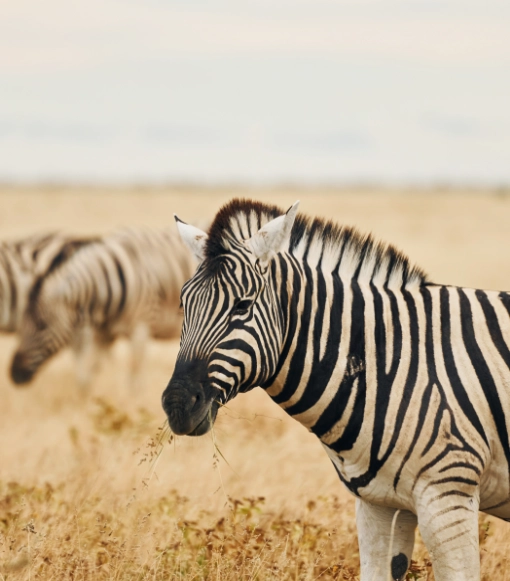
Zebra
16 000 zebras. Southern grasslands, peak viewing dry season.
Wildebeest
21 000 wildebeest roam through the Northern Kruger, and are best seen from May–September.
Unique Sightings
Serval
200 servals. Rare, seen in grasslands at dawn.
Aardvark
Night diggers, visible between 20:00–22:00 during night drives.
Vervet Monkey
Everywhere, playful near rest camps.
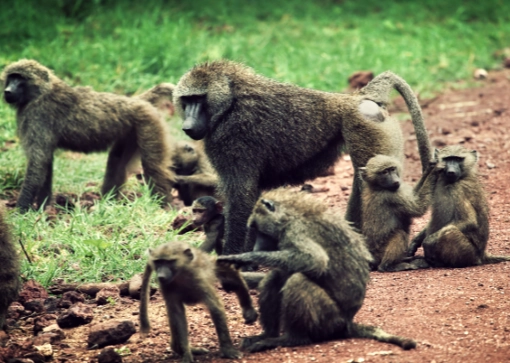
Baboon
Large groups near water, visible anytime.
The Best Times for Animal Sightings in the Kruger
As you probably have already read elsewhere, the time of year that you plan your Kruger Park safari is going to determine what you see (and how comfortable you are during your trip).
To start planning your safari, this is what you need to know about each season:
Dry Season (May–September) is widely considered to be the best time of the year to travel into the Kruger. Vegetation thins, water sources become minimal, and these conditions make animal sightings a lot more predictable.
Wet Season (October–April) brings with it 250 000+ newborn animals. It is also the season when bird breeding peaks. The downside is that with all the rain, the vegetation thickens, and animals scatter to dispersed water, and this reduces wildlife visibility.
Best Regions in Kruger for Specific Animals
| Region | Best For | Why |
| Southern Kruger (Sabie River) | Lions, leopards, cheetahs | High predator density, open plains |
| Central Kruger (Skukuza) | Elephants, hippos, birds | Waterfront access, rest camp hub |
| Northern Kruger (Olifants River) | Buffalo, wildebeest, rhinos | Large herds, less crowded |
| Letaba Area | Rhinos, elephants | Rhino monitoring centre, waterholes |
| Crocodile River | Hippos, crocodiles, fish eagles | River system, bird hotspots |
Planning Your Kruger Safari
The Kruger has 3 safari styles: self-drive, guided day tours, and night drives.
Self-drives are great for those who want to guide themselves, but guided day tours are the ideal option if you are looking for a more laid-back trip, one where everything is taken care of.
Night drives are only offered by a few operators, and some include bush braais in the park, where you hear lions roar while eating grilled meat, and only a tiny, select number of safari operators are allowed to do this.
The best tour operators organise guided Kruger safaris with expert trackers who know animal movements. Our guides know the best spots in the park to see wildlife, and they will take you down the best routes.
See the Animals of the Kruger National Park for yourself. Book your safari with Royal Safaris for guided Kruger experiences with expert trackers, night bush braais, and prime animal viewing.
Frequently Asked Questions
What animals of the Kruger National Park can I expect to see?
The animals of the Kruger National Park include the Big 5 (1,700 lions, 1,000+ leopards, 8,000+ rhinos, 13,000 elephants, 37,000 buffalo), plus cheetah (250), giraffe (1,200), hippo (3,000), crocodile, zebra (16,000), wildebeest (21,000), and 507 bird species including fish eagles and bateleurs.
When is the best time to see animals in Kruger National Park?
Dry season (May–September) shows 40% more wildlife than wet season because vegetation thins and animals concentrate at rivers. Daily, early morning (5:30–8:00 AM) and late afternoon (15:00–18:00) are peak sighting times when lions hunt and elephants drink.
Which region of Kruger National Park has the most Big 5 animals?
Southern Kruger (Sabie River area) has the highest Big 5 density, especially lions, leopards, and cheetahs due to open plains and high predator populations. Central Kruger (Skukuza) excels for elephants and hippos, while northern Kruger (Olifants River) has large buffalo and wildebeest herds.
How many animal species live in Kruger National Park?
Kruger National Park holds 1,470 mammal species, 507 bird species, 340 tree species, and 114 reptile species across 19,485 km², making it Africa’s most biodiverse accessible wildlife sanctuary with 1,700 lions, 13,000 elephants, and 8,000+ rhinos.
Can I see nocturnal animals in Kruger National Park?
Yes, night drives (20:00–22:00) with guided tours show nocturnal animals including aardvarks, hunting leopards, and nocturnal birds. Night drives include bush braais under flashlight light, where you can hear lions roar while eating grilled meat, available only through guided safari companies like Royal Safaris.


